
Serving and Learning in Mexico

Earlier this month, I had the privilege of going on a mission trip with my church to Monterrey Mexico, where we served for a week with Back2Back Ministries.

Back2Back’s mission is “until every child is known and loved.” They provide holistic care to vulnerable children and their families, addressing the whole child—spiritually, physically, educationally, emotionally, and socially—with the goal of creating sustainable, lasting change. Their heart is to see children become dependent on Jesus, interdependent within their communities, and ultimately self-sustaining. The need for hope in these kids’ lives is huge, and you can really feel how important this work is when you’re there.

Our group of 17 worked on projects at one of their children’s homes that cares for 29 kids. So many improvements have been done by other groups like ours over the years, and there are still many improvements that are needed. We painted, repaired walls, protected a garbage area that was constantly being invaded by animals, and repainted lines on a “soccer field” that is really a cement patio. At the headquarters compound, we built picnic tables, organized supply trailers, stacked wood piles, and even extracted metal springs from old mattresses so the metal could be recycled for income.

While completing the work projects was satisfying, the best part was spending time with the children. We were told that it is so encouraging for them to know that people from other places also love and care for them and want to help. We weren't able to speak to each other very well because of the language differences, but that didn't seem to matter too much. We also met the house parents, who are incredible examples of selflessness and faithfulness, dedicating their lives to creating stability and family for children who have experienced trauma. They do so much with so few resources. Seeing this firsthand was both inspiring and humbling, especially coming from a culture that has so much and often feels like it needs more.

As is usually the case with trips like this, I came away feeling that I received far more than I gave.

I connected with one special 8-year-old boy named Brayan. His story stood out because his needs—severe autism—were beyond what this home typically serves. But they felt led to take him in on faith, as he had no other options. In the few years he’s been there, he has made remarkable progress. One day at lunch, Brayan and I played a simple little game that made him laugh. I learned later that he did not have any sponsors yet, and also that he and I shared a birthday.  So he now has a sponsor.

 I’m so grateful for the opportunity to step away from normal life for a bit and be inspired by the strong, selfless faith of people who are truly making a difference in others’ lives and for God’s kingdom. When I find myself overly focused on my to-do list or the problems of the world, I hope I’ll remember those people in Mexico.

Why So Many Homeowners Are Downsizing Right Now

For a growing number of homeowners, retirement isn’t some distant idea anymore. It’s starting to feel very real.

According to Realtor.com and the Census, nearly 12,000 people will turn 65 every day for the next two years. And the latest data shows as many as 15% of those older Americans are planning to retire in 2026. And another 23% will do the same in 2027.

If you’re considering retiring soon too, here’s what you should be thinking about.

Why Downsize?

Now’s the perfect time to reflect on what you want your life to look like in retirement. Because even though your finances will be going through a big change, you don’t necessarily want to feel like you’re living with less.

But odds are, what you do want is for life to feel easier.

Easier to enjoy.

Easier to manage.

Easier to maintain day-to-day.

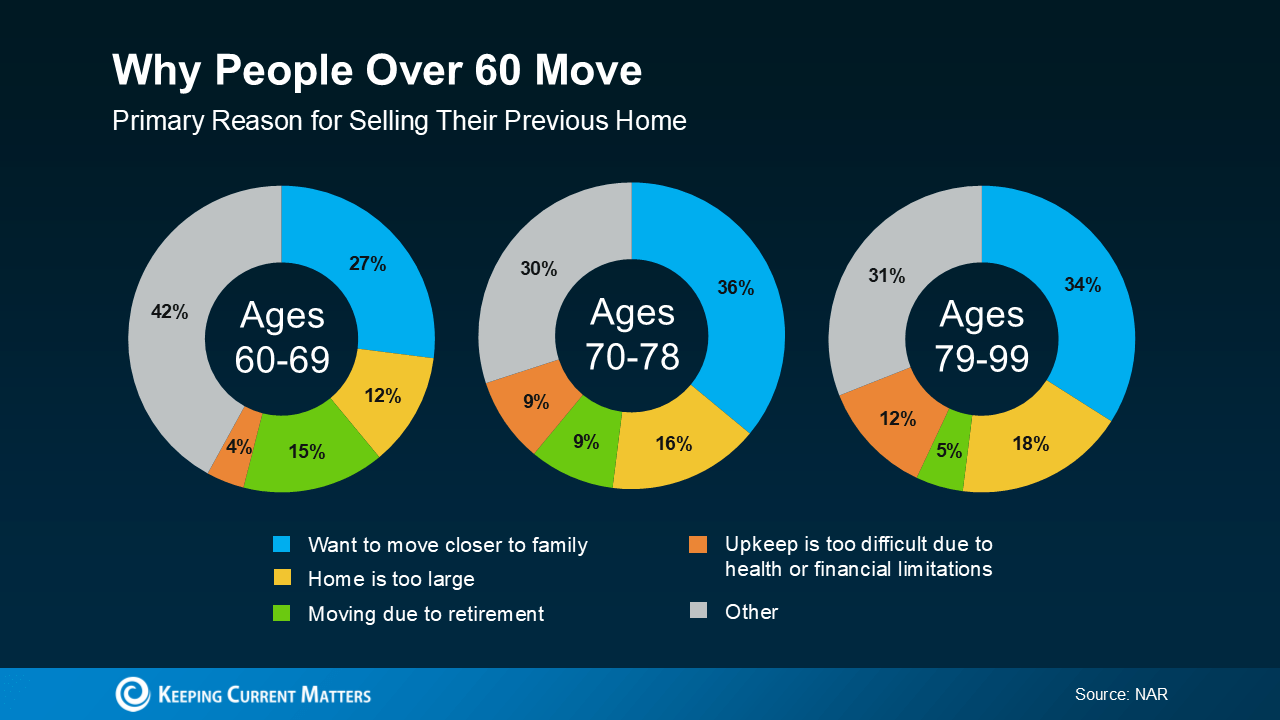
The Top Reasons People Over 60 Move

You can see these benefits show up in the data when you look at why people over 60 are moving. The National Association of Realtors (NAR) finds the top 4 reasons aren’t about timing the market or chasing top dollar. They’re about lifestyle:

  • Being closer to children, grandchildren, or long-time friends so it’s easier to spend more time with the people who matter most

  • Wanting a smaller, more functional home with fewer stairs and easier upkeep

  • Retiring and no longer needing to live near the office, so it’s easier to move wherever you want

  • Opting for something smaller to reduce monthly expenses tied to utilities, insurance, and maintenance

No matter the reason, the theme is the same: downsizing isn’t about giving something up. It’s about gaining control and choosing simplicity. And it brings peace of mind to know your home fits the years ahead, not the years behind.

And the best part? It’s more financially feasible now than many homeowners would expect.

The #1 Thing Helping So Many Homeowners Downsize

Here’s the part that makes it possible. Thanks to how much home values have grown over the years, many longtime homeowners are realizing they’re in a stronger position than they thought to make that move.

According to Cotality, the average homeowner today has about $299,000 in home equity. And for older Americans, that number is often even higher – simply because they’ve lived in their homes longer.

When you stay in one place for years (or even decades), two things happen at the same time:

  • Your home value has time to grow.

  • Your mortgage balance shrinks or disappears altogether.

That combination creates more options than you’d expect, even in today’s market.

So, whether you just retired, or you’re about to, it’s not too soon to start thinking about what comes next. Sure, it can be hard to leave the house you made so many years of memories in, but maybe it’s time to close one chapter to open a new one that’s just as exciting. 

Bottom Line

Downsizing is about setting yourself up for what comes next – on your terms.

If retirement is on the horizon and you’ve started wondering what your current house (and your equity) could make possible, the first step isn’t selling. It’s understanding your options.

It’s time to talk to an agent. A simple, no-pressure conversation can help you see what downsizing might look like – and whether it makes sense for you.

January 29, 2026/by KCM CREW

🍂 Fall 2025 Market Report

Right now, our real estate market feels a little upside down compared to a few years ago. And it has everyone (especially agents) talking. Homes are staying on the market longer than we’ve been used to, and we’re seeing more and more price reductions as sellers adjust to today’s conditions. Buyers are feeling cautious—many are waiting to see what happens with the economy and interest rates. But there has been good news this past week with the interest rates down a bit. They are hesitant to jump in unless the price makes sense for what the house will cost them monthly with taxes and insurance included (always rising) and the home's condition. Interest rates themselves have been bouncing around, and while they’re lower than their peak last year, they’re still higher than the “historic lows” we all remember from a few years ago. This tug-of-war between buyers wanting better affordability and sellers trying to hold onto their value is what’s creating the current market. Interestingly,  it seems that the 1 million plus market is selling better than the lesser values in Central Oregon.  

What’s Happening in the Central Oregon Housing Market?

"August numbers show Central Oregon’s real estate market continuing to level out. Inventory is holding or climbing in most areas — Bend sits at 5.7 months, Sisters at 6.1, and both La Pine and Prineville are near 8 months. Homes are also taking longer to sell, giving buyers a bit more breathing room and leverage. Prices remain strong in some markets. Bend’s median is up to $768,825, and while Sisters dipped from July’s peak, it’s still holding above $800,000. Overall, the landscape feels more balanced. Sellers who price strategically and prep well are still moving properties. We’re in a moment that rewards preparation, patience, and staying sharp.”  -Ryan Buccola, Broker/Owner REMAX Key Properties


From Brian Buffini Mid Year Update:

Market Reality: Far from crashing, the housing market is rebalancing to 2019 levels—a healthier state than many headlines suggest 

Mortgage Rates Forecast: Expected to hover between 6.25% and 6.5% for the remainder of 2025

Inventory is easing, but not low enough to reinvigorate a seller’s market—especially with price corrections in play.

US Summary Snapshot

Regional Variation

A split market—Midwest/Northeast gaining, South/West seeing declines.

Buyer Advantage

Slower sales, rising inventory, more price reductions—buyers have more leverage.

Mortgage Rates

Rates hovering around 6.5–6.6%, slowly easing but still limiting affordability.

Is an Estate Sale Right for You?

Downsizing from a home filled with a lifetime collection of furnishings and collectibles has become increasingly challenging in today's evolving market for second-hand goods. Traditional estate sales, once the go-to method for liquidating household items, are now facing significant obstacles due to market saturation and shifting generational preferences. Baby Boomers, who are the primary sellers, find that their cherished items hold less appeal for younger generations, such as Gen Xers and Millennials, who prioritize minimalism and contemporary designs over vintage and traditional pieces.  Additionally, the rise of online marketplaces and the impact of the COVID-19 pandemic have further transformed how estate sales are conducted, necessitating innovative approaches to effectively manage and sell pre-owned goods in this saturated market​.

Key factors to consider when you are setting expectations on selling an estate:

  1. Market Saturation: There's an excess of second-hand household items, making it difficult to sell traditional estate sale wares. Baby Boomers, who are downsizing, are adding to this surplus, while younger generations are less interested in accumulating traditional household items.

  2. Generational Shifts: Baby Boomers value their possessions for their memories and traditions, Gen Xers prefer contemporary items, and Millennials prioritize experiences over belongings and prefer minimalism.

  3. Online Marketplaces: The rise of online platforms such as eBay, Craigslist, Facebook Marketplace and specialized resale sites like Poshmark and ThreadUp has transformed how estate sales are conducted. These platforms provide broader reach and pricing transparency but also increase competition.  

  4. Pandemic Impact: COVID-19 has accelerated the shift towards online auctions and estate liquidation services, which often involve photographing items and conducting sales over weeks rather than days. This approach can sell more items but may not always achieve the best prices for high-end goods.

  5. Estate Sale Options: While traditional in-home estate sales still exist, many companies are adopting hybrid models, offering both in-person and online sales. This adaptation helps meet safety concerns and changing buyer behaviors.

When liquidating a household, there are several options to consider, each with its own benefits and drawbacks. Here are some of the primary methods:

Traditional Estate Sales: Conducted in-person over a weekend, these sales are ideal for quickly liquidating a large number of items. Professional estate sale companies can handle pricing, advertising, and selling, but may charge a significant commission​

Online Auctions: Services like eBay, Craigslist, and specialized auction sites can reach a broader audience and provide more transparency in pricing. Items are photographed, listed, and sold over a period of weeks, with buyers picking up their purchases at a later date. This method is increasingly popular, especially due to COVID-19 concerns​ 

Consignment Shops: These shops sell items on behalf of the owner and take a percentage of the sale price. This can be a good option for high-value items but may take longer to sell​. 

Donation: Donating items to charities or non-profits can provide tax benefits and is an excellent way to ensure items are reused. Organizations like Goodwill, Salvation Army, and local shelters often accept household goods.​ 

Junk Removal Services: For items that cannot be sold or donated, junk removal services can efficiently clear out a house. These companies offer comprehensive removal and disposal services.​ They are able to donate the usable items they pick up.

Yard Sales: A more DIY approach, yard sales can help liquidate a variety of items but require significant effort in organizing, pricing, and advertising.​ 

Specialty Resale: For unique or valuable items, consider specialty resale markets. For example, vintage clothing can be sold on platforms like Poshmark, while antique furniture might do well on Chairish or 1stDibs.​  

By evaluating these options and possibly combining several methods, individuals can effectively manage the downsizing process and maximize returns on their household items.

See these articles for more helpful information:

https://www.bobvila.com/articles/estate-sale-company/

https://nesa-usa.com/how-much-to-pay

https://hometransitionpros.com/estate-sale-help/

I have a list of local (Central Oregon) businesses for you to contact for help with your estate needs. Just contact me!